

Blog
Car Care 101: Learn How to Wash Microfiber Towels Like a Pro

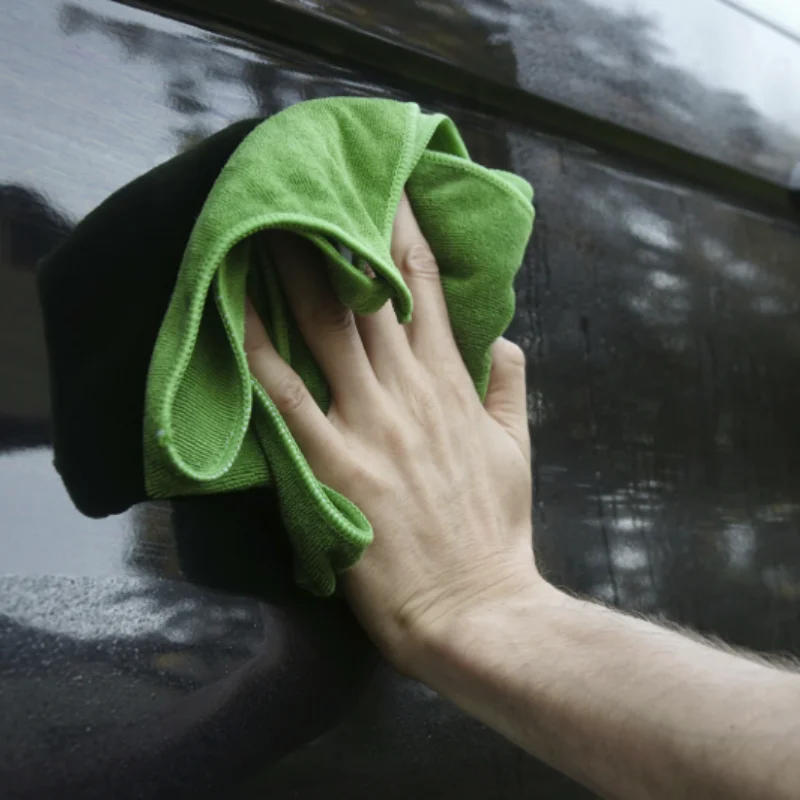
Why Microfiber Towels Deserve More Attention
Microfiber towels look simple. In real use, they’re anything but.
Treat them like regular rags and they quickly lose softness, stop absorbing, or start smearing instead of cleaning. Care for them correctly, and they’ll stay reliable for years—whether you’re detailing every weekend or just trying to keep your daily driver clean.
This guide explains what microfiber does, why it fails, and how to wash, dry, and store it properly, without turning it into a chemistry lesson.
Why Microfiber Towels Work — and Why They Fail When Treated Wrong
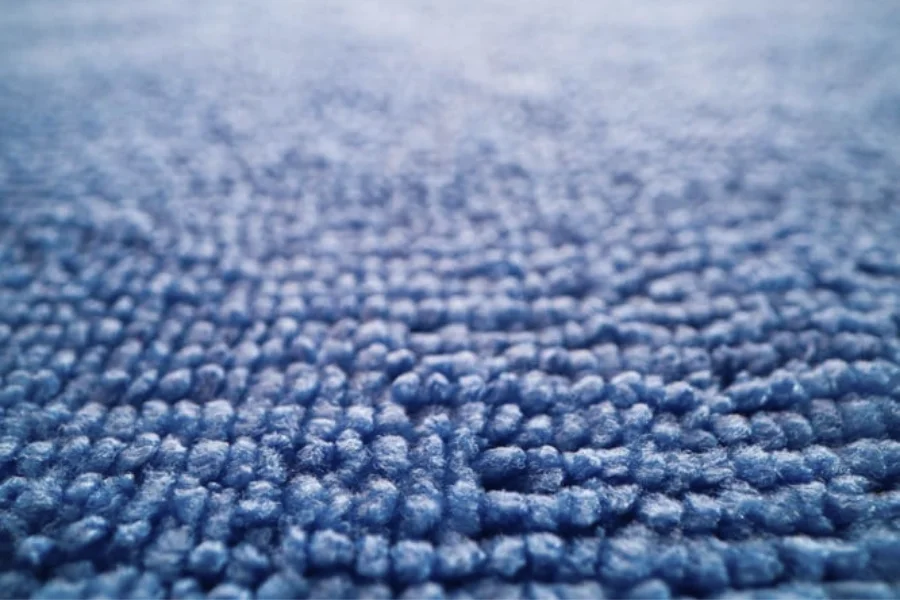
Microfiber is a synthetic fiber made from polyester, polyamide, or a blend of both. Each strand measures under 10 micrometers, about 1/100 the width of a human hair.
That extreme fineness is the whole point.
Under magnification, microfiber strands have a split, star-like shape. Those tiny edges grab dirt, oil, and water, pulling contamination away from the surface instead of dragging it across paint or interior trim. That’s why microfiber is safer and more effective than cotton towels.
Compared to traditional shop rags, microfiber is softer on finished surfaces, more absorbent, and more durable when cared for correctly. You don’t need to memorize the science—just remember this: heat and softeners damage the fibers that make microfiber work.
GSM Explained: Choosing the Right Towel for the Job
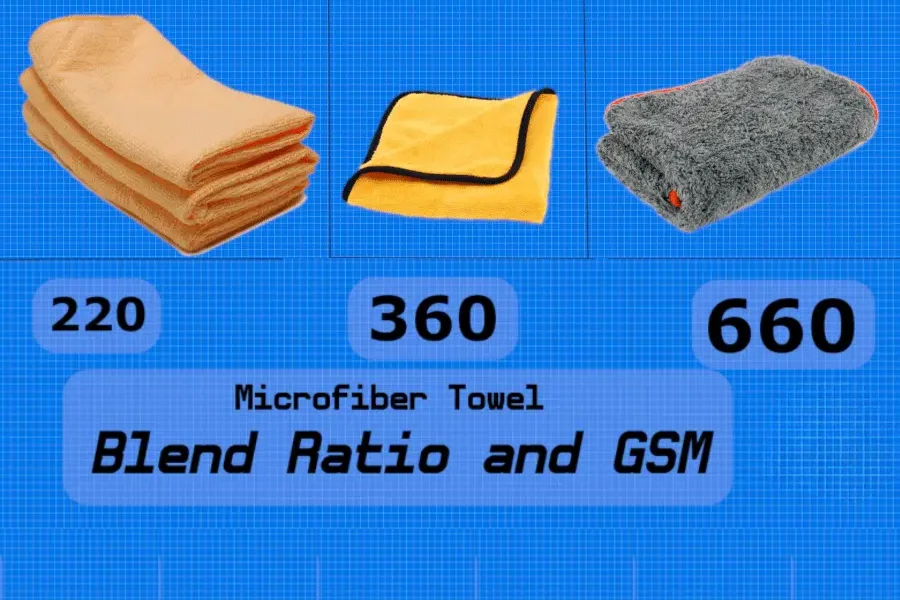
Microfiber towels are rated by GSM (grams per square meter). Towels over 500 GSM are plush and best for polishing, waxing, and final wipe-downs. Towels in the 200–350 GSM range are thinner and better suited for general cleaning or dirtier areas. Using the right towel for the task—and keeping it that way—matters more than people think.
Before You Wash: How Most Microfiber Towels Get Ruined
Most microfiber damage happens before the washer even starts.
Always sort towels by use, color, and contamination level. Paint, glass, interior, and wheel towels should never mix. Heavily soiled towels should be washed separately from lightly used ones. Never mix microfiber with cotton or other fabrics—cotton sheds lint, and microfiber holds onto it.
Before washing, shake out sand, grit, and loose debris. Pre-treat heavy buildup like grease, wax, or polish residue. New towels should always be washed before first use to remove factory coatings. A few seconds of prep can add years to a towel’s life.
How to Wash Microfiber Towels Without Killing Them
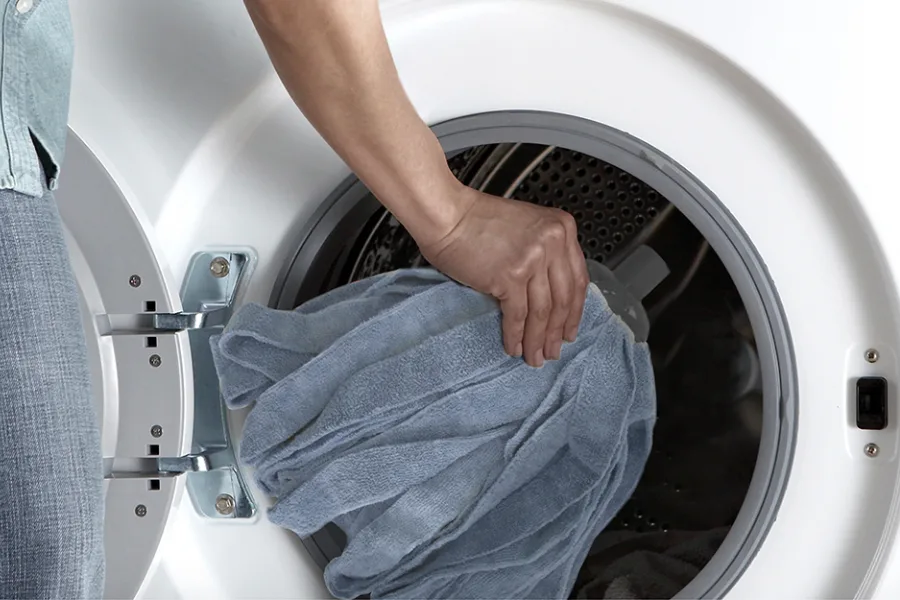
Use cold or warm water only, ideally below 40°C / 104°F. Hot water softens and damages polyester fibers. Once that happens, the towel may look fine, but performance is gone.
Choose a microfiber-specific detergent with no fragrance, dyes, fabric softeners, or bleach. Avoid dish soap, powdered detergents, and products with silicone additives. These clog fibers and reduce absorbency. Adding a small amount of white vinegar to the rinse cycle can help break down leftover waxes or chemical residue.
Select a gentle or delicate wash cycle. Use an extra rinse if available, and don’t overload the machine. Towels need room to move to rinse clean. If washing by hand, use warm water and microfiber detergent, gently agitate, and avoid aggressive wringing or twisting.
Drying Microfiber: Where Most Damage Happens
Drying is where many good towels are ruined.
If using a dryer, set it to low heat or no heat and remove towels promptly. High heat fuses fibers together. You usually won’t see it, but absorbency and softness drop fast.
Air drying works if done correctly. Use a clean, dust-free area with good airflow, and make sure towels are completely dry before storage. Avoid dryer sheets, fabric softener, and extended direct sunlight, all of which damage microfiber fibers.
Clean Towels, Dirty Results: Storage Mistakes to Avoid
Microfiber attracts dust even when it’s clean. Store towels only when fully dry, and keep them in sealed bins, zip bags, or covered containers. Organize towels by purpose using labels or color coding to prevent cross-contamination.
A consistent storage setup matters more than most people realize. Car owners who stay organized tend to get better results simply because their towels stay cleaner between uses—something brands like THETIDYRIDE quietly focus on through practical microfiber tools and straightforward storage solutions.
Inspect towels regularly. If one feels stiff, stops absorbing, pills, or holds residue, downgrade it to dirtier tasks or retire it.
Pro-Level Tips to Extend Towel Life
Pre-soak heavy contamination for 10–15 minutes before washing. Every three to six months, deep clean towels with a 1:10 vinegar-to-water soak to help restore absorbency.
A color-coding system helps prevent mistakes: blue for glass, red for paint, yellow for interiors, and black for wheels or engine bays. Avoid reusing towels that touched ceramic coatings. Once residue cures in the fibers, the towel is done.
FAQ
Can I use dish soap to wash microfiber towels?
No. Dish soap, including brands like Dawn, contains strong degreasers designed for cookware. These chemicals strip and clog microfiber fibers, reducing absorbency and softness. Even one wash can permanently degrade performance. Use a microfiber-specific or fragrance-free liquid detergent instead.
Can microfiber towels be washed with colored clothing?
No. Microfiber should always be washed separately. The fibers attract lint and loose dye from other fabrics, especially cotton. This contamination reduces cleaning performance and can cause streaking or scratching. Washing microfiber alone keeps fibers clean and effective.
Is fabric softener ever okay for microfiber towels?
Never. Fabric softener coats microfiber fibers with a waxy residue that blocks their ability to absorb water and trap dirt. Once this coating builds up, towel performance drops sharply and often cannot be fully restored, even with rewashing.
What kind of soap should you use to wash microfiber towels?
Use a detergent made specifically for microfiber or a mild liquid detergent with no dyes, fragrances, bleach, or softeners. These formulas clean embedded waxes and residues without clogging or damaging the fibers, helping towels stay soft and absorbent longer.
What if my microfiber towel feels stiff after washing?
Stiffness usually means fiber damage or residue buildup. Try rewashing with a microfiber detergent and add white vinegar to the rinse cycle. If absorbency doesn’t return, the fibers are likely heat-damaged or coated, and the towel should be downgraded or replaced.
Can I use hot water to sanitize microfiber towels?
No. Hot water damages polyester fibers and causes them to harden or melt together. This reduces absorbency and cleaning ability. Instead, rely on proper detergents, extra rinse cycles, and complete drying to keep towels clean and odor-free.
How long can microfiber towels be reused for car care?
With proper washing, drying, and storage, microfiber towels can last one to three years or hundreds of uses. Lifespan depends on contamination level, heat exposure, and detergent choice. Towels used for ceramic coatings or heavy grease should be retired much sooner.
Why do clean microfiber towels sometimes smell?
Odors usually mean towels were stored while still damp. Moisture trapped in microfiber promotes mildew growth. Always dry towels completely before storage and keep them in clean, sealed containers. Rewashing with vinegar can help remove lingering odors.
Bottom Line: Treat Microfiber Like a Tool
Microfiber towels aren’t disposable—they’re precision tools. Wash them correctly, dry them gently, and store them clean, and they’ll protect surfaces instead of creating extra work.
That mindset is exactly why experienced car owners tend to stick with platforms like THETIDYRIDE—not for hype, but for practical car-care gear that fits real-world routines.
Quick Takeaway
Wash warm, never hot
No fabric softener—ever
Dry on low heat only
Store sealed and completely dry

https://shorturl.fm/gvu29
https://shorturl.fm/Sm0a5
https://shorturl.fm/FVR8A
https://shorturl.fm/vyXcX
https://shorturl.fm/LxT0v
https://shorturl.fm/RkYfo
https://shorturl.fm/cHBKd
https://shorturl.fm/LiKcg
Found this really helpful, the explanations are simple but they actually answer the questions a normal reader would have, and after I followed unitytrustline I had a clearer sense of the topic, no extra fluff just useful points laid out in a sensible order that made the time worth it.