

Blog
Exterior Detailing Made Easy: Restore Car Paint to Look New

Exterior Detailing Made Easy: Restore Car Paint to Look New
Why Paint Starts Looking Old — and Why It Matters More Than Shine
A glossy finish isn’t just cosmetic. It protects resale value, seals the metal underneath, and acts as an early warning system for long-term damage. When paint loses clarity, it’s usually because the clear coat is thinning, contaminated, or no longer protecting the surface the way it should.
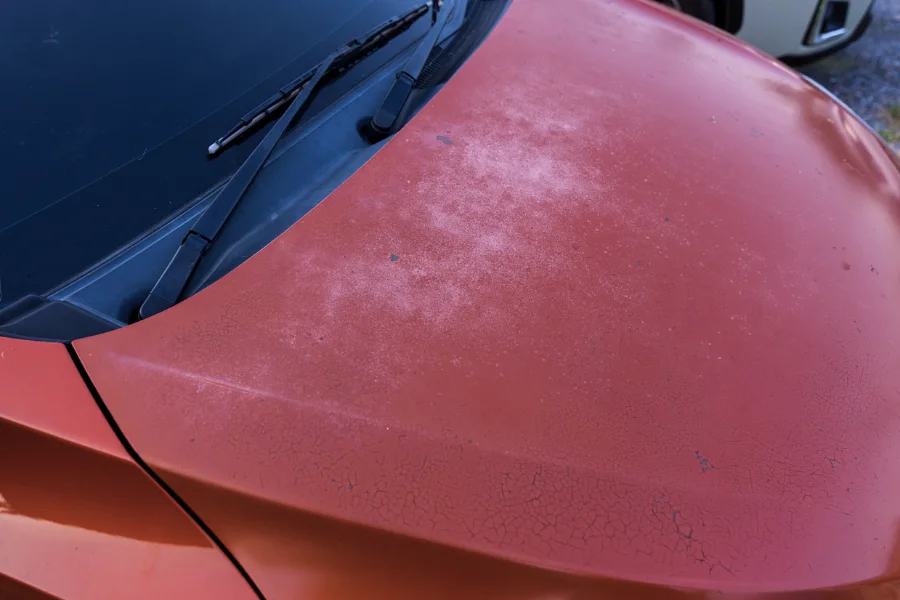
Daily driving guarantees wear. UV exposure slowly breaks down clear coat. Road film and fallout embed themselves over time. Improper washing introduces swirl marks that stay hidden—until the vehicle is finally cleaned and pulled into good light. Many cars don’t look worse because they were washed; they look worse because the wash exposed what was already there.
As long as damage hasn’t broken through the clear coat—or through the color layer on single-stage paint—most defects can still be corrected. Once cracking, peeling, or exposed color appears, correction stops being effective and repainting becomes the only honest fix.
Before You Polish Anything, Know What Paint You’re Working On
Most modern vehicles use a two-stage paint system: primer, base coat, and clear coat. Paint correction works by leveling the clear coat. That layer is your margin for error.
Some older vehicles and specialty finishes use single-stage paint, where color and protection are combined. There’s no extra buffer. Once material is removed, you’re immediately into color, and mistakes can’t be undone.
A simple polish test in an inconspicuous area tells the story quickly. If color transfers to the pad, you’re working on single-stage paint. If it doesn’t, you’re correcting clear coat. That one test saves more paint jobs than any machine ever will.
Paint hardness also matters. Softer paint corrects quickly but mars easily. Harder paint resists defects but demands more controlled cutting. Treating every surface the same is how uneven results happen—and how clear coat gets chased thinner than planned.
Surface Prep: Where Most Corrections Either Succeed or Go Sideways
Paint correction rarely fails because of the machine. Most bad corrections fail at prep.
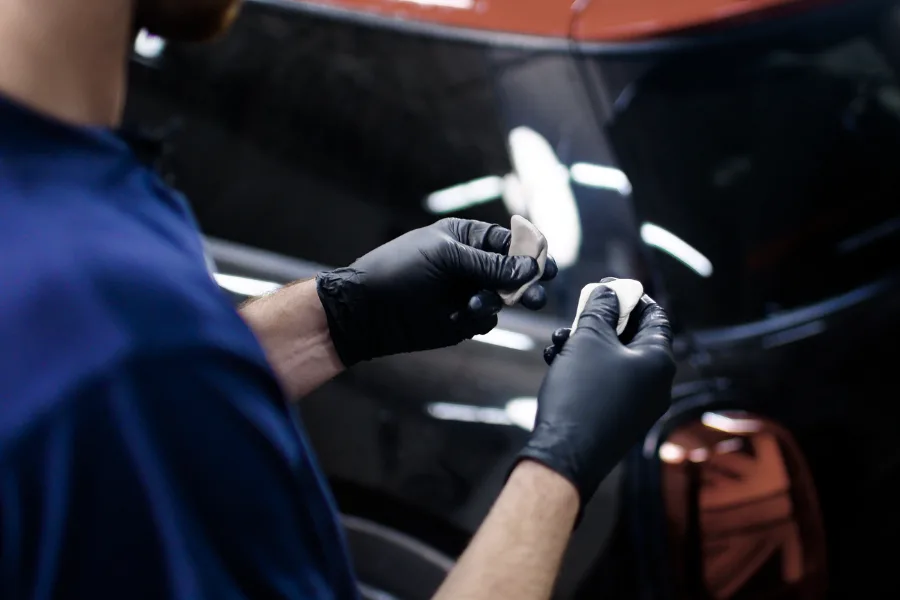
Proper washing removes loose contamination, but bonded iron, tar, and industrial fallout need chemical decontamination. Clay removes what chemicals can’t. Skip either step and leftover grit becomes sandpaper the second the pad starts moving—one of the most common reasons DIY corrections end up looking worse.
This is also where “tool quality” matters in a non-glamorous way: consistent microfiber, proper wash media, and compatible chemicals prevent the kind of embedded grit that creates rework. Shops and serious DIYers often standardize these basics through suppliers like THETIDYRIDE because repeatable prep beats chasing defects later.
Drying matters just as much. Water spots don’t just dull paint; they create uneven correction patterns when polished over. If the surface isn’t clean and dry, the rest of the process is compromised before it begins.
What Paint Correction Really Does — and What It Can’t Fix
Paint correction removes defects by leveling the clear coat surface. It does not hide damage or fill it temporarily. That’s why results last—and why mistakes are permanent.
Most shops rely on a two-step approach. Cutting removes oxidation, heavy swirl marks, and deeper scratches. Polishing refines what cutting leaves behind and restores clarity. Work small sections, control pressure, and stop once defects are gone.
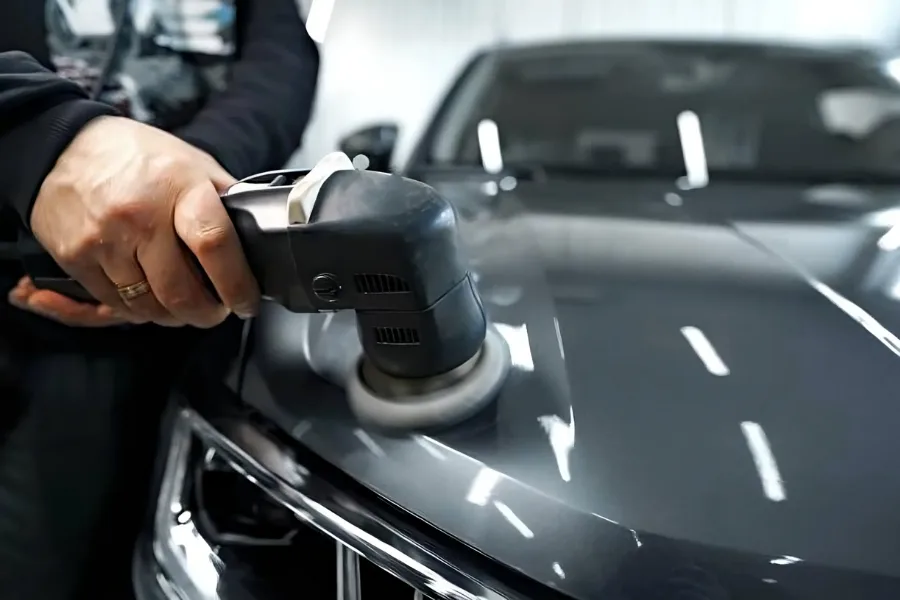
Edges and body lines deserve extra caution. They hold the least material and account for most burn-throughs. Single-stage paint demands restraint. Heavy cutting is rarely worth the gamble—if correction relies on aggression instead of judgment, it’s already headed the wrong direction.
Correction Isn’t the Finish Line — Protection Is What Makes It Last
Once corrected, paint is exposed. Leaving it unprotected invites oxidation and contamination to return faster than most expect.
Wax offers warmth and depth but fades quickly. Sealants last longer and resist detergents better. Ceramic coatings bond chemically and simplify long-term maintenance, but only when applied to perfectly prepped paint. Paint protection film adds physical defense against chips and abrasion but requires professional installation.
Protection choice should match how the vehicle is used, not how products are marketed.
Tools and Products That Actually Matter
A dual-action polisher provides the best balance of correction ability and control. Cutting and finishing pads should match paint hardness, not trends. Compounds and polishes designed to work as a system reduce learning curves and unnecessary mistakes.
This is where experienced technicians stay selective. Poor pad/compound pairing wastes time, heats paint, and leaves haze that has to be chased. If you’re building a kit, prioritize consistency—clean towels, fresh pads, and products that play well together—over chasing the most aggressive option on the shelf.
FAQ
Can I do paint correction at home?
Yes—but only in specific situations. Light swirl marks and mild oxidation are reasonable DIY targets with proper tools and restraint. Deep scratches, thin paint, sharp edges, or unknown paint history turn correction into a gamble. If you can’t judge paint thickness or defect depth, professional correction is the safer call.
Does paint correction damage factory paint?
Paint correction permanently removes a small amount of material from the clear coat. When done correctly and sparingly, it’s controlled and safe. Problems start when correction is repeated too often or pushed too aggressively. Clear coat is finite—once it’s gone, no product or technique can bring it back.
How long do paint correction results last?
The correction itself is permanent because defects are physically removed. What changes over time is surface condition. Protection quality and wash habits determine how long the finish stays sharp. Poor washing can reintroduce swirl marks quickly, while proper protection and maintenance can keep corrected paint looking right for years.
Should I correct the whole car or just problem panels?
Horizontal panels—hood, roof, trunk—usually fail first and benefit most from correction. Spot correction works for localized defects, but results may look uneven under certain lighting. If consistency matters, full-vehicle correction delivers uniform gloss and reflection. The decision depends on expectations, budget, and paint condition.
Is protection required immediately after polishing?
Yes. Polishing leaves paint clean but unprotected. Bare clear coat oxidizes quickly and attracts contamination. Without protection, gloss fades faster than most expect. Applying wax, sealant, or a ceramic coating immediately locks in results and slows future damage, reducing how often correction is needed.
Can faded or oxidized car paint be restored to look new again?
In many cases, yes. If the surface is dull but structurally intact, oxidation and fading can be corrected by leveling the damaged clear coat. If the clear coat is cracked, peeling, or the color layer is exposed, correction stops working and repainting becomes the only real solution.
How to Keep the Finish Right Without Re-Correcting It
Proper washing habits prevent most long-term damage. Use clean tools, dry intentionally, and avoid brush-style automatic washes. Remove bird droppings and sap as soon as possible. Maintain protection with compatible products to slow future wear.
If you’re restocking maintenance items, keep it boring and consistent—fresh microfiber, safe wash media, and protection-friendly cleaners. That’s the kind of practical, repeatable setup many DIYers source through THETIDYRIDE because it reduces the chance of putting swirls right back into corrected paint.
Most paint failure comes from maintenance habits—not mileage.
The Bottom Line From the Shop Floor
Exterior detailing works when judgment leads the process. Machines help. Products matter. But experience decides when to cut, when to polish, and when to stop.
You can’t polish judgment into paint.
And the checkpoint that saves paint jobs every time: If you’re not sure how much clear coat you have left, stop there.

https://shorturl.fm/ELdVc
https://shorturl.fm/g0ogy
https://shorturl.fm/489jX
https://shorturl.fm/n3pSS
https://shorturl.fm/mYeFm
https://shorturl.fm/Dj96P