

Blog
Apply Wax Faster: Use a Buffer to Apply Car Wax

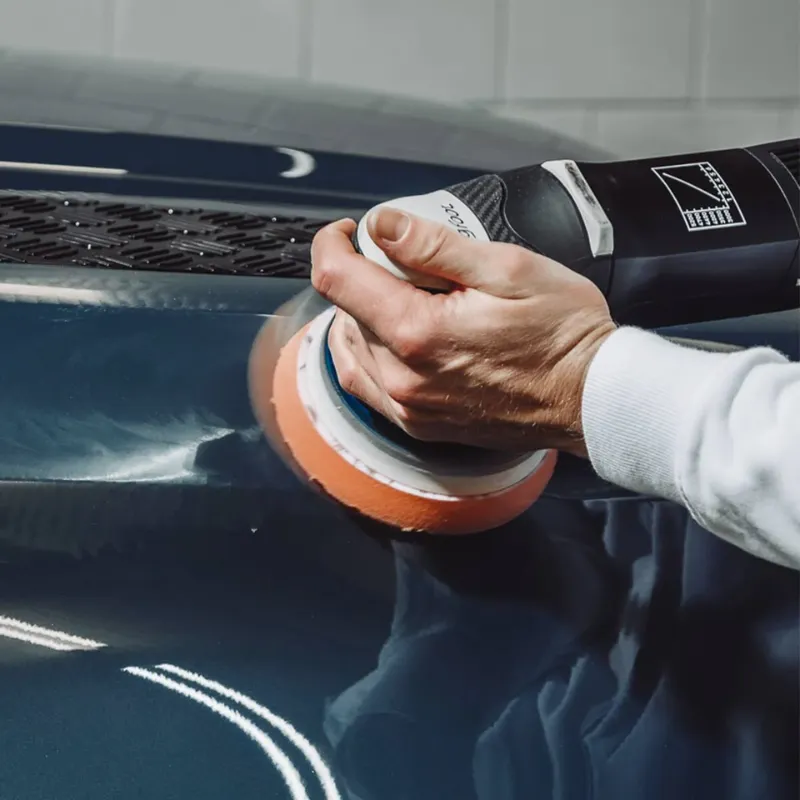
Why Hand Waxing Wastes Time—and What a Buffer Fixes
After waxing enough vehicles, patterns start showing up fast. Hand waxing sounds simple until you’re halfway across a full-size SUV, your arms are cooked, and you’re already spotting uneven coverage where the wax went on too thick—or not at all. By the time you finish, the sun has shifted, the wax flashes too fast, and cleanup turns into a second job.
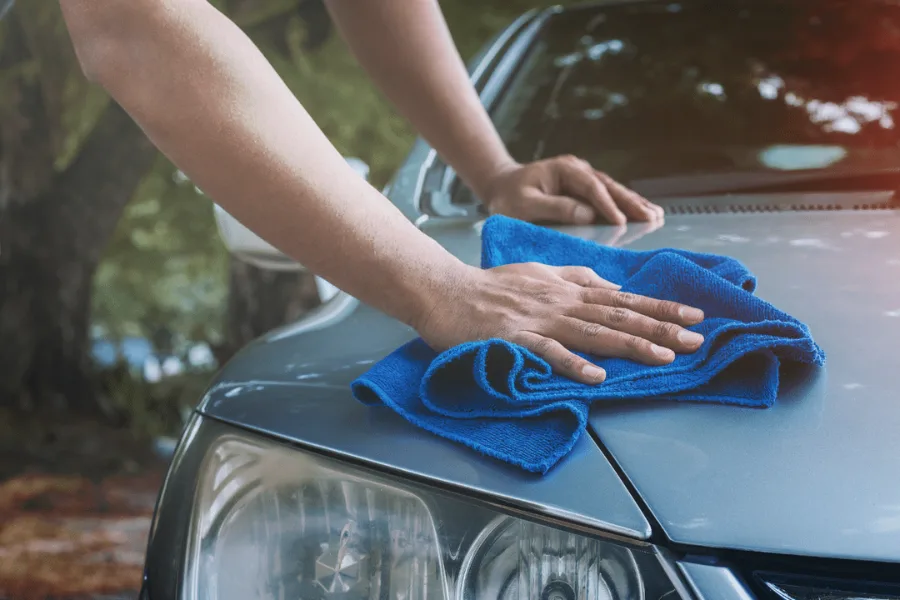
That’s not bad technique. That’s a bad process.
Using a buffer to apply wax isn’t about being fancy or skipping fundamentals. It’s about eliminating wasted motion and repeat work. That’s the same mindset behind how brands like THETIDYRIDE approach car care—focusing on practical tools and processes that save time without sacrificing results. In real-world conditions, machine application delivers four advantages that matter in the bay and the driveway alike:
-
Faster completion, especially on large vehicles
-
Consistent, even coverage without buildup
-
Stronger bonding and more reliable protection
-
Deeper gloss with less cleanup and rework
This guide breaks down how experienced detailers apply wax faster by choosing the right wax, the right tools, and avoiding the mistakes that create streaks, haze, and wasted time.
Before You Touch the Buffer: What Actually Determines the Result
Machine waxing only works when the basics are handled correctly. Skip them, and no tool will save the finish.
Not All Waxes Behave the Same on a Machine
Paste wax is thick, often high in carnauba, and built for long-term protection—sometimes up to 12 months. By hand, it’s slow and fatiguing. On a machine, it finally makes sense. A buffer spreads paste wax evenly without overloading the surface.
Liquid or cream waxes spread easily, wipe off clean, and deliver a slick, wet-looking shine. Durability usually falls between two and nine months. For most vehicles, liquid wax paired with a buffer offers the best balance of speed, appearance, and protection.
Spray wax is fast but short-lived. It’s best for maintenance washes or as a clay lubricant, not as a primary machine-applied wax.
Synthetic waxes and sealants prioritize durability and resistance to heat, UV, and chemicals. Some are machine-compatible, but always confirm the product is designed for buffer application before using it.
Why a Dual-Action Polisher Wins for Waxing—Every Time
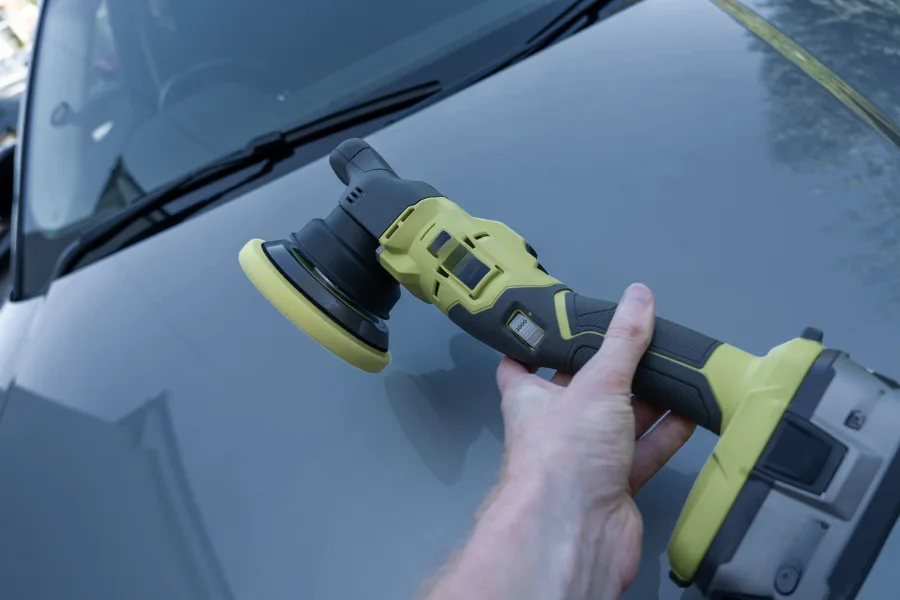
A dual-action polisher combines rotation with oscillation, keeping heat under control and reducing swirl risk. Waxing doesn’t require cutting power, only control and consistency. That’s why DA machines dominate final-stage work.
Rotary polishers spin in one direction and build heat quickly. They have their place in paint correction, not in waxing. The risk simply isn’t worth it.
Pad Choice Is Where People Scratch Paint Without Realizing It
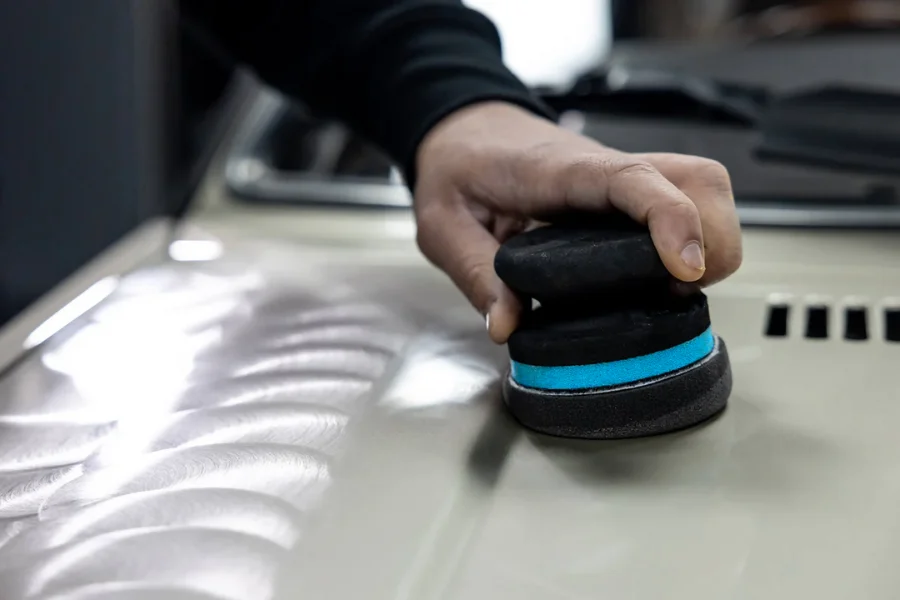
Wax application demands soft foam finishing pads or dedicated wax applicator pads. Anything designed for cutting or polishing introduces unnecessary abrasion.
Pad cleanliness is non-negotiable. A contaminated pad turns wax application into paint damage in seconds.
Wax Won’t Fix Bad Paint—Prep Is the Real Work
Start with a deep wash to remove loose dirt and grime. Follow with targeted decontamination for tar, iron fallout, bug residue, and sap. If grit remains after washing, wax will only trap it.
Clay treatment removes what washing can’t. Use plenty of lubrication, fold clay frequently, and replace it immediately if dropped.
Paint correction is optional but strongly recommended. Oxidation and light defects reduce gloss and durability. Correcting them first multiplies the payoff of waxing.
How Pros Apply Wax Fast Without Creating Streaks or Rework
Waxing should happen in shade or indoors. Hot paint turns good wax into a mess fast—early flashing, uneven removal, and haze follow quickly.
Set up a dual-action polisher with a soft foam pad. Prime new pads lightly so they don’t run dry. Overloading the pad only creates cleanup problems later.
Use small amounts of wax. Low speed, light pressure, overlapping passes. The goal is a thin, even film, not visible buildup. Forcing wax on by hand usually means scrubbing it off later. Machine application avoids that cycle.
Liquid and synthetic waxes flash into a glossy, translucent film. Paste wax hazes into a light, powdery layer. Both signals mean the wax is ready. Waiting longer doesn’t improve results, it just makes removal harder.
Turn the machine off and remove residue with a clean microfiber towel using straight-line motion. Thick wax means extra wiping. Thin wax wipes clean the first time, which is where real time savings show up.
Work panel by panel and inspect the vehicle under different lighting once finished. If streaks are visible now, they’ll be worse in sunlight later.
FAQ
How often should I wax my car?
Wax frequency depends on the product and driving conditions. Paste and synthetic waxes typically last three to six months or longer, while liquid waxes average two to three months. Climate, sun exposure, and washing habits matter. When water no longer beads tightly on the surface, protection has worn off.
How many layers of wax are needed?
One thin, even layer is all that’s required. Wax bonds to paint, not to itself, so stacking layers doesn’t improve protection. Applying too much wax usually creates streaks, haze, and longer removal time without adding durability or shine.
Can I wax with a rotary polisher?
It’s strongly discouraged, especially for non-professionals. Rotary polishers build heat quickly and offer no benefit during waxing. Wax application doesn’t require cutting power. A dual-action polisher provides better control, lower risk, and more consistent results without endangering the clear coat.
What if wax gets on plastic trim or glass?
If addressed immediately, fresh wax can be removed with a damp microfiber towel or a trim-safe cleaner. Once dried, removal becomes harder and may require detailing brushes or specialty products. Masking plastic, rubber, and glass before waxing prevents this problem entirely.
Is it better to hand wax or use a buffer?
A buffer is faster, more consistent, and far less physically demanding than hand waxing. Professionals rely on dual-action machines to apply thin, even wax layers with minimal rework. Hand waxing is typically reserved for tight areas where machines can’t safely reach.
The Real Advantage of Machine Waxing
Applying wax with a buffer is where car care stops being exhausting and starts being repeatable. It cuts labor, reduces fatigue, and delivers consistent results that hand application struggles to match—especially on larger vehicles.
With proper prep, a reliable dual-action polisher, and the right wax, results stop depending on arm strength and start depending on process. That’s why experienced detailers—and practical car-care brands like THETIDYRIDE—focus on tools and processes that reduce rework, improve efficiency, and hold up in real-world use rather than ideal conditions.
Tools assist. Judgment finishes the job.
